

 North Carolina Clinics
 South Carolina Clinics
News
Why Physical Therapy is Usually the Best Step for Neck Pain
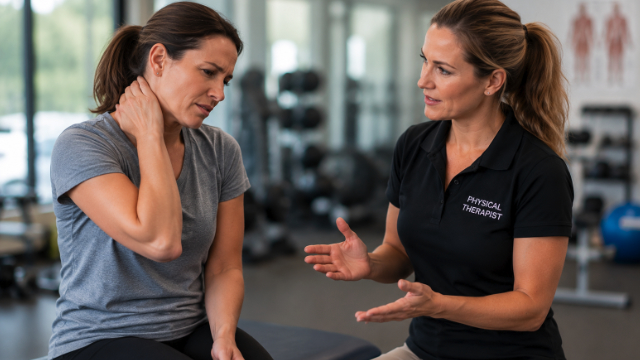
Pain in the neck and top portion of the spine, especially the area just beneath the skull, can quietly build over time and become a regular part of daily life. Many people first notice it as tightness when turning their head, soreness after working at a computer, or headaches that seem to start in the back of the head and creep forward. Left unaddressed, these symptoms can begin to interfere with sleep, concentration, driving, and exercise. Because the neck must balance mobility with the constant job of supporting the head, even small changes in posture or activity levels can lead to irritation that lingers for a while.
The neck and upper spine play a critical role in nearly everything you do. They support the weight of the head, guide eye and head movement, and help coordinate posture through the shoulders and upper back. When pain develops here, people often move less, avoid turning their head, or hold themselves stiff to prevent aggravation. While short periods of rest can calm symptoms during a flare–up, prolonged inactivity tends to reduce strength, limit mobility, and increase sensitivity in the surrounding tissues. Over time, this can make the neck less tolerant of everyday demands.
Aside from a few serious medical concerns, physical therapy is one of the safest and most reliable treatment options for most types of neck pain. A well–structured rehabilitation plan can restore motion, build muscle endurance, and improve tolerance to work, exercise, and daily activities. Many patients improve without imaging, injections, or surgery when they begin appropriate care early and stay consistent with their treatment.
How Neck and Suboccipital Pain Develops
The cervical spine in the neck consists of bones called vertebrae, as well as discs, joints, muscles, and ligaments that work together to provide both stability and mobility. The upper portion of the neck, including the suboccipital region at the base of the skull, is particularly involved in fine head movements and posture control. These structures must balance flexibility with the need to support the head, which can place considerable demand on the area over time.
In many cases, neck or suboccipital pain develops when the load placed on these structures is greater than they can handle. This can occur after long hours of desk work, prolonged forward head posture, sudden increases in activity, stress–related muscle tension, or periods of inactivity that lead to deconditioning. Limited mobility in the upper back, reduced endurance of the deep neck muscles, or stiffness in the shoulders can also shift more strain to the upper cervical region.
The good news is that many of these factors respond well to exercise, posture retraining, and gradual exposure to movement. Improving the neck's ability to tolerate daily loads is one of the most reliable ways to reduce symptoms and prevent them from returning.
Most Common Neck and Suboccipital Conditions
Below are some of the most frequently seen causes of neck pain and related headaches originating from the upper cervical region and how physical therapy can help.
Nonspecific mechanical neck pain
This term is used to describe neck discomfort without a single clearly identifiable structural injury, which is the most common cause of neck pain. Symptoms often fluctuate with posture or activity and may improve with gentle movement. Treatment focuses on restoring mobility, strengthening the neck and shoulder girdle, and gradually increasing tolerance to work and daily tasks. Education about workstation setup, posture, and activity pacing is also important.
Cervicogenic headache
Headaches that originate from the neck often begin at the base of the skull and can radiate toward the temples, forehead, or behind the eyes. They are frequently associated with stiffness in the upper cervical joints and surrounding muscles. Physical therapy aims to improve joint mobility, strengthen supporting muscles, and reduce strain on sensitive structures through movement retraining and postural adjustments.
Muscle tension and suboccipital strain
The small muscles at the base of the skull can become overworked from sustained postures, stress, or repetitive activity. When irritated, they may produce localized soreness or headache–like symptoms. Treatment typically includes gentle mobility work, strengthening for the neck and upper back, and strategies to reduce unnecessary muscle tension during daily activities.
Disc irritation in the cervical spine
Intervertebral discs in the neck act as cushions between vertebrae. When irritated, they can lead to pain and other symptoms in the neck that may also travel into the shoulder or arm. Many disc–related issues respond well to conservative care. Physical therapy focuses on movement strategies, gradual strengthening, and exercises that reduce stress on sensitive tissues while supporting recovery.
Facet joint irritation
The small facet joints that guide movement in the neck can become sensitive from repetitive extension, rotation, or prolonged static positions. Symptoms are often localized and may worsen with certain head movements. Treatment typically involves mobility exercises, strengthening, and movement retraining to reduce strain on the affected joints.
Red Flags: When Symptoms Could Require Further Medical Evaluation
Most cases of neck and suboccipital pain improve with conservative care. However, certain symptoms may indicate a more serious condition that requires prompt medical evaluation before beginning rehabilitation. Potential red flags for neck pain and related headaches include:
- Severe pain following a fall, accident, or trauma
- Significant weakness, numbness, or tingling in the arms or hands
- Loss of coordination or difficulty with balance
- Fever, chills, or unexplained weight loss with neck pain
- Persistent or worsening headache unlike previous headaches
- Difficulty speaking, swallowing, or vision changes
- History of cancer with new neck pain
- Pain that is constant, severe, and not affected by movement
If any of these symptoms are present, it's best to consult your primary care provider or go to the emergency department or urgent care. Otherwise, beginning physical therapy early is often the most appropriate and effective next step.
Why Physical Therapy Works for Neck and Suboccipital Pain
Physical therapists are trained to evaluate how posture, mobility, and muscle performance contribute to neck pain and headaches. An assessment typically looks at head and shoulder alignment, joint mobility, strength, and how you move during everyday activities. This information helps guide a treatment plan tailored to your specific needs and goals. A typical program will include:
- Strengthening for the deep neck flexors, upper back, and shoulders
- Mobility exercises for the cervical and thoracic spine
- Postural education and ergonomic guidance
- Gradual return–to–activity planning
- Strategies to manage flare–ups and reduce recurrence
Research consistently supports exercise–based treatment for many forms of neck pain and cervicogenic headaches. Structured programs can reduce symptoms, improve function, and help individuals return to normal activities more quickly. Active care also equips patients with tools they can continue using independently, which supports long–term neck health.
Moving Forward With Neck and Suboccipital Pain
Neck pain and headaches that start at the base of the skull are common, but they do not have to become a long–term limitation. Addressing symptoms early often leads to faster improvement and reduces the chance of persistent issues. Rather than relying solely on rest or temporary symptom relief, restoring mobility, building strength, and improving confidence in movement can lead to lasting change.
If neck pain or recurring headaches are affecting your work, sleep, or exercise routine, consider calling us to schedule an evaluation with one of our physical therapists. A thorough assessment can help identify contributing factors, clarify what is driving your symptoms, and create a plan to help you move more comfortably and confidently. With a thoughtful approach and consistent effort, most patients are able to return to daily activities with less pain and greater resilience.
References and Further Reading
August 4, 2026
Disclaimer:
The information in the articles, posts, and newsfeed is intended for informational and educational purposes only and in no way should be taken to be the provision or practice of physical therapy, medical, or professional healthcare advice or services. The information should not be considered complete or exhaustive and should not be used for diagnostic or treatment purposes without first consulting with your physical therapist, occupational therapist, physician or other healthcare provider. The owners of this website accept no responsibility for the misuse of information contained within this website.
