

 North Carolina Clinics
 South Carolina Clinics
News
Do Glucosamine and Chondroitin Really Benefit Athletic Performance?
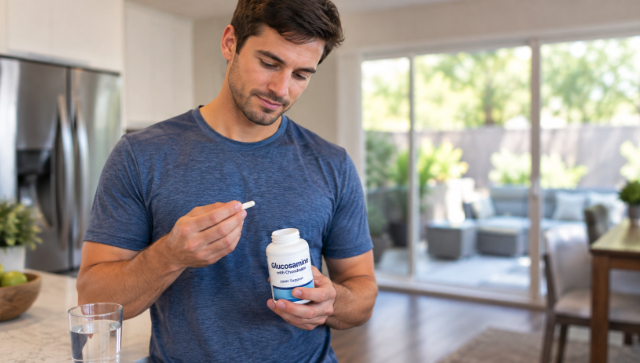
Not long ago, joint supplements were typically marketed to older adults with stiff knees. Now, bottles of glucosamine and chondroitin are showing up in gym bags, college locker rooms, and on the shelves of runners and weightlifters looking for every possible edge. They're promoted as joint “lubricants” that can keep you training hard, protect your cartilage, and maybe even boost performance by keeping pain at bay.
But do these supplements actually help active people perform better, or are they simply a solution to help achy joints feel a bit more manageable? For most athletes and active adults, glucosamine and chondroitin are best viewed as potential joint–comfort tools, not true performance enhancers. They may have a role, but they don't replace smart training, good mechanics, and/or physical therapy. Read on to learn more.
What Glucosamine and Chondroitin Are Supposed to Do
Glucosamine and chondroitin are natural components of cartilage and joint tissue. The explanation behind why they are used as supplements is pretty straightforward:
- Glucosamine may help support cartilage repair and reduce inflammation
- Chondroitin may help retain water in cartilage and protect chondrocytes (the cells that maintain cartilage)
In research on osteoarthritis, some studies show modest reductions in pain and stiffness that is unrelated to athletic performance. Other studies show little to no benefit compared with placebo. For athletes, the hope is that if joints feel better, you can train harder, more consistently, and with less discomfort over the long term.
Do These Supplements Actually Improve Performance?
When it comes to direct performance gains (speed, power, and strength), the evidence is very limited:
- Animal research suggests glucosamine may improve endurance in aerobically trained mice by influencing mitochondrial markers and running capacity
- In humans, most studies focus on pain, function, and recovery after injury, not on faster times or heavier lifts
A trial in competitive male athletes after acute knee injury found that 4 weeks of glucosamine improved knee motion versus placebo but didn't significantly change pain early on. Another study after ACL reconstruction showed no added benefit of glucosamine for rehab outcomes compared with placebo. So based on the current evidence, glucosamine and chondroitin:
- May help with joint comfort in some people, especially those with osteoarthritis
- Have minimal evidence that they directly enhance performance metrics in healthy athletes
What About Athletes Using Them for “Joint Protection”?
Many runners and strength athletes take these supplements hoping to “protect” their joints from wear and tear. Here's what current evidence suggests in this area:
- In some trials, glucosamine and chondroitin were found to offer modest pain relief and functional improvement in some people with osteoarthritis, which was comparable to certain medications
- Other large trials found no significant benefit over placebo, or benefits only in subgroups with more severe pain
- There is no strong evidence that they clearly prevent joint problems in otherwise healthy joints or stop sports injuries from occurring
For athletes, that means they might help if you already have early joint symptoms, but they aren't a guaranteed “shield” against future problems.
Typical Dosing, Safety, and Cost
The most common doses for these supplements used in studies is as follows:
- Glucosamine sulfate or hydrochloride: about 1,500 mg per day
- Chondroitin sulfate: 800–1,200 mg per day
As far as safety goes, both supplements are generally well tolerated, with mild gastrointestinal upset as the most common complaint. People with a shellfish allergy, bleeding disorders, or on blood thinners should talk with a physician before taking them. It is also important to note that the costs of these over–the–counter supplements can add up over time, especially for long–term use.
Where Physical Therapy Fits In
Supplements can't fix movement mechanics, training errors, or strength deficits. Physical therapy, on the other hand, is designed to do just that and more. A physical therapist will typically:
- Identify if your pain is from tendon overload, joint irritation, muscle imbalance, or movement patterns that stress your joints
- Build a progressive program to improve strength, mobility, and control so your joints experience less stress with the same workload
- Help you adjust training volume, technique, and recovery strategies so you can keep performing without constantly flaring symptoms
Even if glucosamine or chondroitin offer you some symptom relief, they work best as supporting players, not the main strategy. Physical therapy is what changes how your body handles load over time.
The Bottom Line: Build Performance on Movement, Not Just Pills
For most athletes and active adults, the most powerful tools for performance and long–term joint health are:
- Thoughtful training progression
- Good technique and biomechanics
- Adequate recovery, sleep, and nutrition
- Targeted strength and mobility work through physical therapy
Glucosamine and chondroitin can sometimes play a supporting role in managing joint symptoms, especially in osteoarthritis. But they are certainly not magic, and they're not a substitute for a solid movement plan.
If you're dealing with joint pain that's limiting your training, physical therapy can help. We'll assess how you move, identify what's driving your symptoms, and build a personalized plan so you can train, compete, and stay active with more confidence. Reach out today to schedule an evaluation and get started on a performance plan built on what matters most: how your body moves, not just what's in your supplement stack.
References and Further Reading
September 15, 2026
Disclaimer:
The information in the articles, posts, and newsfeed is intended for informational and educational purposes only and in no way should be taken to be the provision or practice of physical therapy, medical, or professional healthcare advice or services. The information should not be considered complete or exhaustive and should not be used for diagnostic or treatment purposes without first consulting with your physical therapist, occupational therapist, physician or other healthcare provider. The owners of this website accept no responsibility for the misuse of information contained within this website.
